Bodybuilding vs Fitness Model: What’s the Difference?
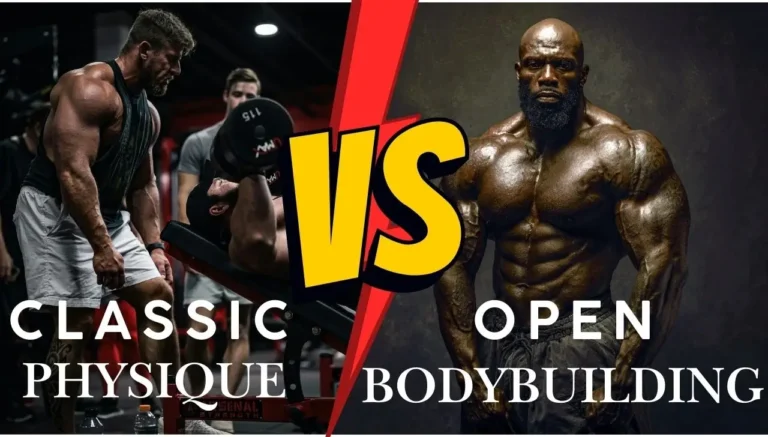
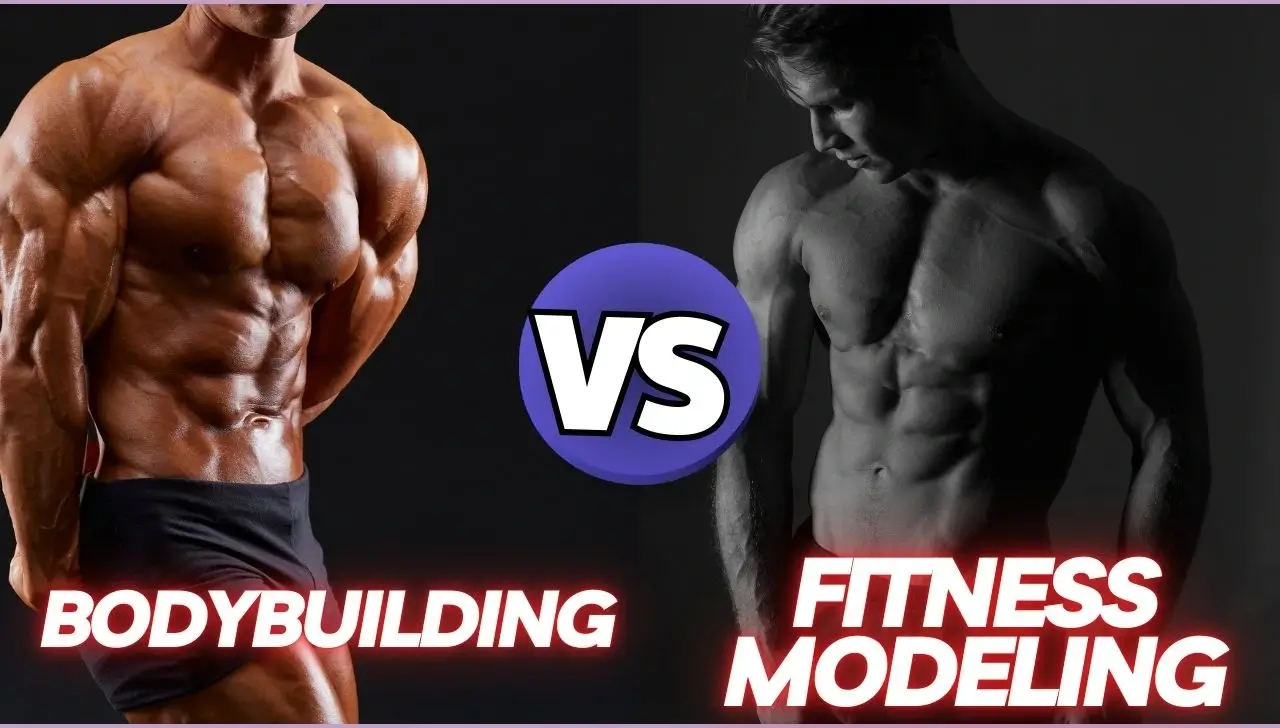
Bodybuilding and fitness modeling represent two different goals in the fitness world. Bodybuilding focuses on building maximum muscle size, extreme definition, and ultra-low body fat mainly for competitions. On stage, bodybuilders display massive muscles, visible veins, and sharp muscle separation under professional lighting.
Fitness modeling, on the other hand, focuses on maintaining a balanced, athletic, and visually appealing physique that looks lean, strong, and healthy year-round. Fitness models maintain moderate muscle size, attractive proportions, and sustainable leanness suitable for photoshoots, advertising, and fitness media without extreme bulking or cutting phases.
Both paths require dedication and discipline, but they differ in training style, lifestyle demands, and long-term sustainability.
What Is Bodybuilding?
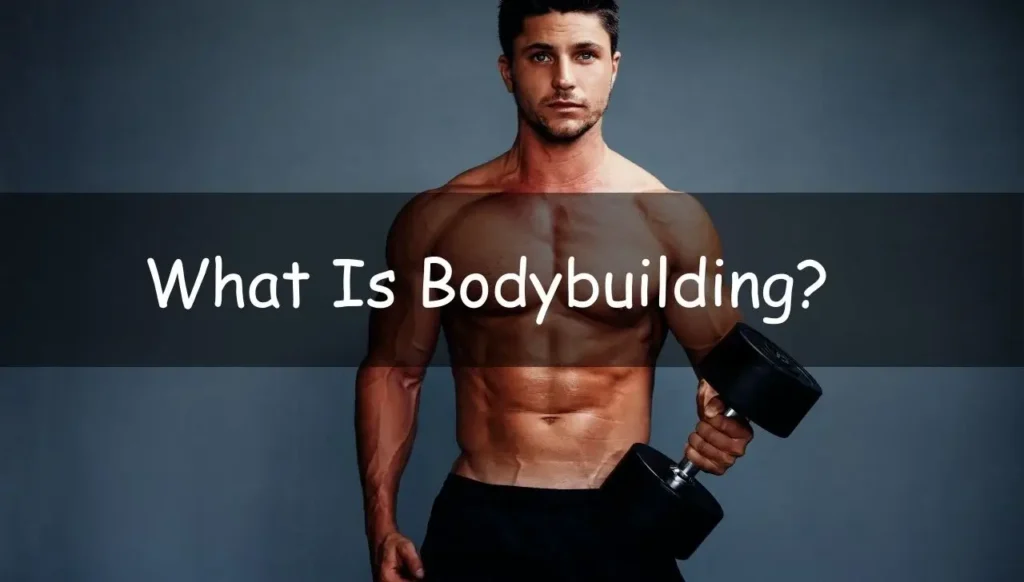
Bodybuilding is a sport dedicated to developing maximum muscle size, definition, and symmetry. The goal is to create a strong, balanced, and visually impressive physique through consistent weight training, proper nutrition, and disciplined exercise routines. Bodybuilders aim to enhance muscle shape and overall aesthetics for competitions, photos, or personal goals.
What Are Fitness Models?
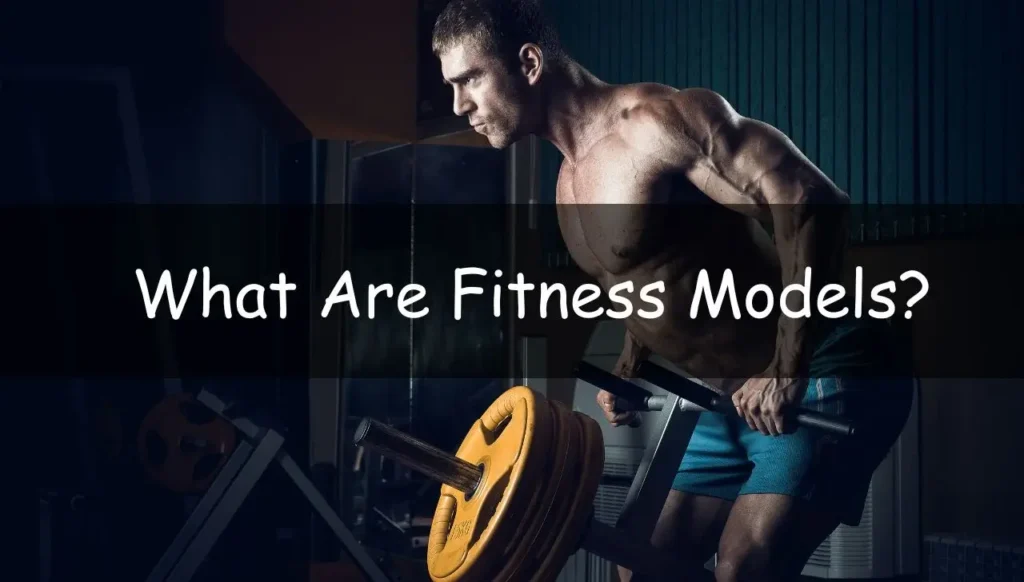
Fitness modeling focuses on developing and maintaining a lean, athletic, and visually appealing physique. Fitness models aim for balanced muscle tone, good posture, and healthy proportions that look strong and fit year-round. Their goal is to stay camera-ready and maintain an attractive, sustainable physique for photoshoots, media work, and fitness promotions.
Key Differences: Side-by-Side
| Aspect | Bodybuilding | Fitness Models |
| Main Goal | Biggest muscles + super sharp for shows | Balanced, good-looking fit body all year |
| Muscle Size | Very big and impressive | Moderate and toned |
| Body Fat (typical) | Super low on stage (sub-5% men / ~8–12% women) | Easy to keep low (~8–14% men / 14–20% women) |
| Easy to Keep Long-Term? | No – needs big eat/cut cycles | Yes – main point of the job |
| Training Style | Lots of sets, heavy lifts, muscle focus | Mix of lifts, higher reps, shape focus |
| Diet Style | Big eating phases → hard cuts | Steady calories + smart tracking |
| How They Show Off | Still poses for size and shape | Photoshoots, moving poses, athletic shots |
| Daily Life Impact | Tough (needs lots of rest, hard on health) | More normal and flexible |
Which Path Should You Choose?
- Pick bodybuilding if you love getting as big as possible, competing on stage, and seeing huge changes—even if it means tough times sometimes.
- Pick fitness model style if you want a toned, strong look that’s easy to keep, looks good daily, and fits better with normal life.
Conclusion:
Both bodybuilding and fitness modeling requires discipline but focus on different outcomes. Bodybuilding aims for maximum muscle size, extreme definition, and peak conditioning for competitions, often involving strict diets and intense bulking and cutting cycles. Fitness modeling focuses on maintaining a balanced, lean, and athletic physique that looks strong and healthy year-round with a more flexible lifestyle. The right choice depends on whether you prefer competitive muscle growth or a sustainable, everyday fit appearance.
FAQs:
Is bodybuilding harder than fitness modeling?
Yes, it’s more intense and stricter; fitness modeling is easier to maintain.
Can a bodybuilder become a fitness model?
Yes, by reducing size and focusing on a lean, balanced look.
Which is better for long-term fitness?
Fitness modeling is more sustainable; bodybuilding is harder to maintain.
Do you get stronger with fitness modeling?
Yes, you gain strength, but focus is more on tone and balance than maximum size.